
Welcome
“You can’t stop the waves , but you can learn to surf. ”
My background
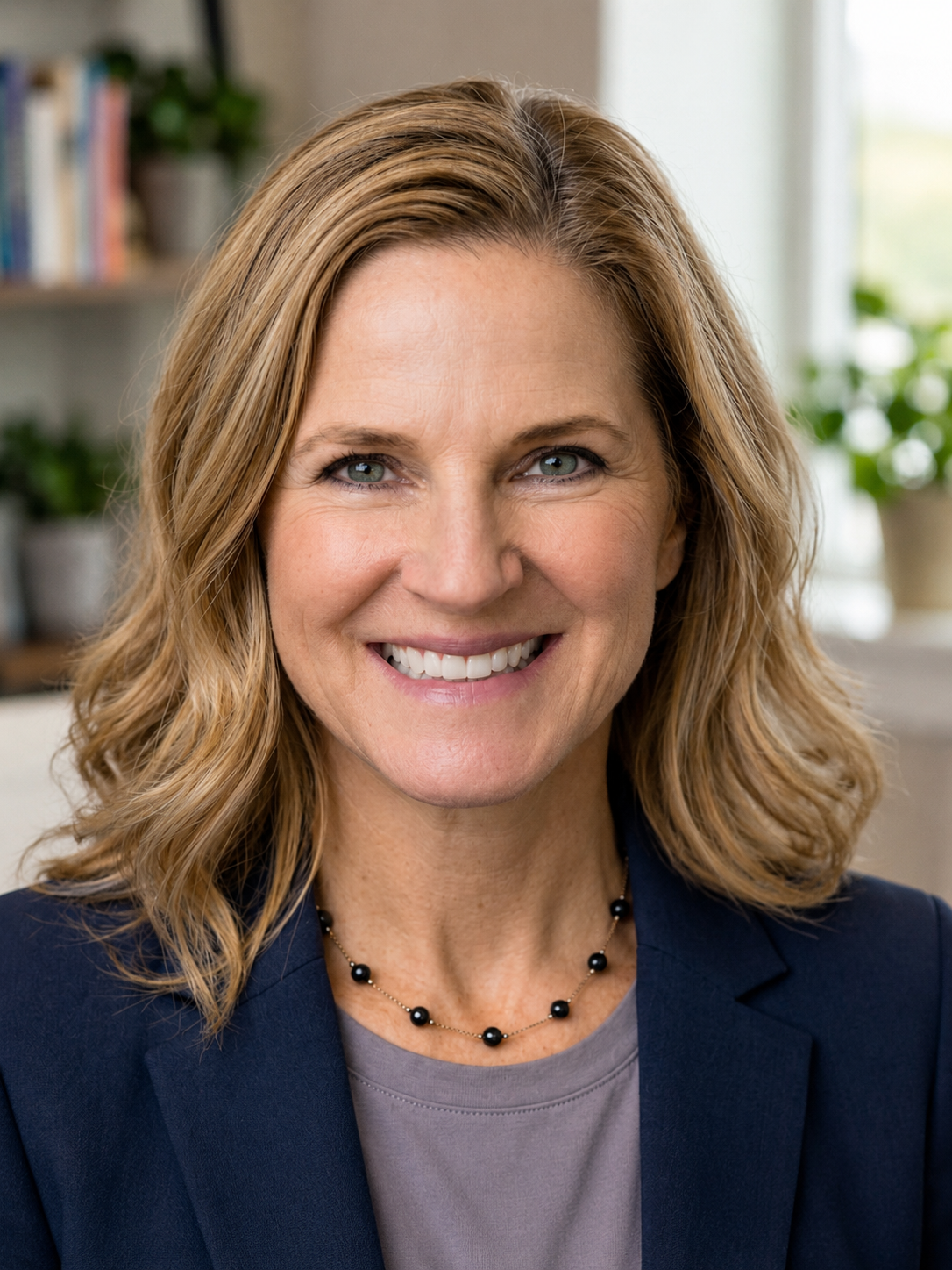
I am a licensed marriage and family therapist (M.A. in Psychology) dedicated to giving you my full attention and active listening. My aim is to create a thoughtful, collaborative, and compassionate environment where clients feel supported and safe. Warm and empathetic, I provide you with the tools necessary for growth and transformation. With over 25 years of clinical experience working with diverse populations in various settings, I have helped adults, children, teens, couples, and families. Currently, my practice specializes in treating adults with traumatic stress, PTSD and C-PTSD, particularly those with histories of childhood physical/sexual/emotional abuse, victims of bullying and those experiencing daily symptoms of post traumatic stress.
I believe that personal growth is a lifelong process. In addition to my professional work, I remain committed to ongoing self-exploration through my own therapy, Brainspotting trainings, and experiential intensives. This personal work continues to deepen my understanding of resilience, healing, and human connection. Outside of my practice, I enjoy spending time outdoors, hiking, and exploring nature. I am also an active U.S. Masters competitive swimmer and participate in both pool and open water events. The discipline, focus, and balance cultivated through these activities contribute to my overall well-being and support the work I do with clients. Family and relationships are central to my life. I have shared a long-term partnership of 24 years, and I value the importance of connection, commitment, and community. These experiences continue to inform my appreciation for the complexity of relationships and the many ways people grow throughout their lives.
My approach
As a Marriage and Family Therapist (MFT), my role is to assist individuals, couples, and families in exploring and resolving issues. I prioritize creating a safe environment where you feel comfortable speaking openly and honestly during sessions. I do not judge you, your family, or your circumstances. Everything discussed in session is strictly confidential, except in cases where someone’s safety may be at risk. If you have any questions or concerns regarding confidentiality, please feel free to ask me during our meeting.
Brainspotting
Brainspotting is a powerful, focused treatment method that works by identifying, processing and releasing core neurophysiological sources of emotional/body pain, trauma, dissociation and a variety of other challenging symptoms. Brainspotting is a simultaneous form of diagnosis and treatment, enhanced with Biolateral sound, which is deep, direct, and powerful yet focused and containing.
David Grand, Ph.D
Other areas of expertise
Cognitive Processing Therapy
(CPT and Prolonged Exposure, or PE)Written Exposure Therapy
Internal Family Systems Therapy
Humanistic
Cognitive Behavioral
Gottman Theory for couples

What is Psychotherapy?
Psychotherapy offers a supportive, nonjudgmental setting for individuals to better understand their thoughts, feelings, and behaviors. It is commonly used to address issues such as anxiety, depression, stress, trauma, relationship problems, or feelings of being stuck or overwhelmed. Through regular sessions with a trained therapist, individuals can recognize unhealthy patterns, explore underlying emotional causes, and develop healthier coping mechanisms.
Furthermore, therapy can enhance self-awareness, communication skills, emotional resilience, and relationships. Instead of just providing advice, psychotherapy helps people gain insights into themselves and build practical skills that support long-term emotional health. Over time, many find that therapy helps them feel more in control of their lives, more connected to others, and better equipped to handle challenging situations.

What is Mindfulness?
Mindfulness is a calm, relaxed state of pure awareness, representing a sense of being AWAKE. It involves directing our focus to the present moment, before any labeling or judgment occurs. It is neither a religion nor a cult. It is neither organized nor formal, making it accessible to people of all faiths and cultures. Practicing mindfulness can help us resolve problems, reduce stress, and think more clearly. It is a practice centered on pure awareness—simply pausing and tuning into what is happening right now in this moment.

My Services
-

Psychotherapy
-

PTSD
-

Individuals Couples Families
My rates
Adult, Individual
Online or in-person, this is designated for individuals to process and explore their thoughts. Typically, meetings are weekly or bi-weekly.
Intake session (50 min) | $285
Regular session (60 mins) | $325
Family or Couple
Online or in-person, this is designated for couples or families to explore dynamics and issues. Typically, meetings are weekly or bi-weekly.
75 mins | $350

Get started
Contact me to book an initial appointment to see if we are a good fit

FAQs
-
Marriage and family therapy is a form of psychotherapy that focuses on relationships, communication, emotional well-being, and family dynamics. Therapy may involve individuals, couples, or families working together to better understand patterns, resolve conflict, and build healthier connections.
-
No. Marriage and family therapists work with individuals, couples, families, adolescents, and children. Therapy can address a wide range of concerns, including anxiety, depression, stress, grief, trauma, relationship difficulties, and life transitions.
-
You have the right to receive a "Good Faith Estimate" explaining how much your medical and mental health care will cost.
Under the law, health care providers need to give patients who don't have insurance or who are not using insurance an estimate of the expected charges for medical services, including psychotherapy services.
You have the right to recieve a Good Faith Estimate for the total cost of any non-emergency healthcare services including psychotherapy services.
You can ask your healthcare provider, and any other provider you choose, for a Good Faith Estimate before you schedule a service.
If you recive a bill that is at least $400 more than your Good Faith Estimate, you can dispute the bill. Make sure to save a copy or picture of your Good Faith Estimate.
For questions or more information about your right to a good Faith Estimate, visit www.cms.gov/nosurprises.
-
The first session is an opportunity to discuss your concerns, goals, and background in a supportive and nonjudgmental environment. I will ask questions to better understand your experiences and begin developing a treatment approach tailored to your needs.
-
The length of therapy varies depending on each person’s goals and circumstances. Some clients benefit from short-term therapy focused on specific concerns, while others choose longer-term support for deeper emotional growth and ongoing challenges.
-
Yes. Therapy sessions are confidential except in situations where disclosure is required by law, such as concerns involving safety or abuse. I will review confidentiality policies with you during the initial session.
-
At this time, I am only seeing clients virtually.
-
Most clients begin with weekly sessions, though the frequency may change depending on individual needs, goals, and progress. I will work with you to determine the schedule that best supports your care.
-
Therapy can be helpful for anyone seeking support, personal growth, improved relationships, or healthier ways of coping with stress and emotions. You do not need to be in crisis to benefit from therapy.
-
At this time, I am Fee-For-Service only. A sliding scale based on client’s income is an option.
-
Getting started is simple. Contact me by phone or through this website to schedule an initial consultation or first appointment. The goal is to create a supportive space where you can begin feeling heard, understood, and supported.
“Compassion is the best healer.
The most powerful healing
comes from developing
compassion for all living beings.”
— Lama Zopa Rinpoche